
Business Purchase Proposal
Download a free Business Purchase Proposal template to express your interest in buying a company and outline terms before a formal offer — free PDF and DOCX.
DOCX
2 downloads
0
likes
Download Files
- DOCX
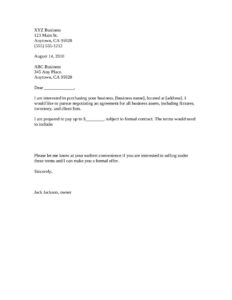
A Business Purchase Proposal is a short letter a prospective buyer sends to a business owner to express serious interest in buying their company and to outline the basic terms before drafting a formal contract. People most often use it to open negotiations in a professional, written way that signals genuine intent without committing to a binding deal. You can download this template free in PDF and DOCX, with no signup required.
What Is a Business Purchase Proposal?
A Business Purchase Proposal is a written communication from a buyer to the owner of an existing business, stating that the buyer wishes to negotiate the acquisition of the company and its assets. It is usually issued at the very start of a deal, before due diligence and before any binding purchase agreement. The document typically identifies the business being sought, the assets the buyer wants to include (such as fixtures, inventory, and client lists), a proposed maximum price, and the conditions the buyer expects the final terms to satisfy. It is a non-binding invitation to negotiate rather than a contract, and it sets a courteous, businesslike tone for the discussions that follow.
When Do You Need a Business Purchase Proposal?
This letter is useful any time you want to put your interest in writing and move a conversation toward a real transaction. Common scenarios include:
- Approaching an owner who has not listed the business for sale — a polite written proposal can open the door to a private deal.
- Following up on an informal conversation where the owner mentioned they might consider selling.
- Responding to a business-for-sale listing and signaling you are a credible, prepared buyer.
- Acquiring a competitor or supplier to expand your own operations or consolidate a market.
- Buying out a partner or family member who owns a separate but related business.
- Securing exclusivity for negotiations by proposing terms the seller can accept in principle before lawyers get involved.
In each case, the proposal does the same job: it tells the seller you are serious, what you want to buy, and roughly what you are willing to pay, so both sides can decide whether a deal is worth pursuing.
What a Business Purchase Proposal Should Have
A clear, effective proposal includes several core elements. It should identify both parties — the prospective buyer and the current owner — and name the specific business and its location. It should describe the scope of the purchase, meaning which assets are included, such as fixtures, equipment, inventory, goodwill, and client or customer lists. It should state a proposed price or a maximum amount, expressly noted as subject to a formal contract. Finally, it should list the key terms or conditions the buyer expects the agreement to address, and close with an invitation for the seller to respond. Because the letter is non-binding, language like “subject to formal contract” matters and should appear clearly.
How to Fill Out a Business Purchase Proposal
- Enter your details at the top. Replace the sample “XYZ Business” block with your own name or company, street address, city, state, ZIP, and phone number.
- Add the date. Update the date line to the day you are sending the proposal.
- Enter the recipient’s information. Replace the “ABC Business” block with the owner’s name and the business’s mailing address.
- Address the owner. In “Dear ____________,” insert the owner’s name or appropriate salutation.
- Name the business and location. Fill in “[business name]” and “[address]” to identify exactly which business you want to buy.
- Describe the assets. Confirm or edit the line covering fixtures, inventory, and client lists so it reflects everything you intend to acquire.
- State your maximum price. Enter the figure in “I am prepared to pay up to $________, subject to formal contract.”
- List your terms. Under “The terms would need to include:” spell out conditions such as payment structure, transition support, or non-compete expectations.
- Sign off. Replace “Jack Jackson, owner” with your name and title, then send the letter.
Keeping the Proposal Non-Binding
One of the most important features of this letter is that it is an invitation to negotiate, not a contract. The phrase “subject to formal contract” and the closing offer to “make you a formal offer” both make clear that nothing is final until a signed purchase agreement exists. This protects you while you complete due diligence — reviewing financial statements, leases, supplier agreements, and any liabilities. If you want stronger protection, the parties can later sign a letter of intent or a confidentiality (non-disclosure) agreement before exchanging sensitive records. Keep the proposal focused and honest about what you can realistically pay, since the figure you name sets expectations for the negotiation that follows.
What Happens After You Send It
Once the owner receives your proposal, they may accept your terms in principle, reject them, or counter with a different price or conditions. If there is interest, the next steps usually involve a non-disclosure agreement, access to the books, due diligence, and then a formal purchase agreement prepared with help from an attorney and accountant. The proposal simply gets that process moving. Treat it as the first chapter of a longer story rather than the deal itself.
Common Mistakes to Avoid
- Forgetting “subject to formal contract” — leaving this out can make the letter look more binding than you intend.
- Being vague about the assets — failing to specify inventory, equipment, or client lists invites disputes later.
- Naming a price you cannot fund — stating an unrealistic maximum damages your credibility.
- Leaving placeholder text in place — sending the form with “[business name]” or sample names looks careless.
- Skipping the terms section — without conditions, the seller can’t gauge whether the deal works for them.
- Not keeping a copy — always retain the dated proposal you sent for your records.
Frequently Asked Questions
Is a Business Purchase Proposal legally binding? No, this letter is generally a non-binding invitation to negotiate, especially when it includes language like “subject to formal contract.” A binding sale typically requires a separate, signed purchase agreement. If you have any concern about wording, have an attorney review the letter before sending it.
What is the difference between this and a letter of intent? A purchase proposal is usually a brief opening letter expressing interest and a rough price. A letter of intent is often more detailed and may include some binding provisions, such as confidentiality or exclusivity. Many deals start with a proposal and then move to a letter of intent.
Do I need to include an exact price? Not necessarily — many proposals state a maximum amount, as this template does with “up to $________.” This gives you negotiating room while showing the seller you are serious. The final number is settled in the formal agreement.
Does a Business Purchase Proposal need to be notarized? Notarization is generally not required for a non-binding proposal letter. Notarization and witnesses are more relevant to final, signed transaction documents. Requirements vary, so confirm what your situation calls for.
How much does this template cost? It is completely free to download from Business Forms Pro in both PDF and DOCX formats, with no signup required. You can edit the DOCX version to match your business and deal.
Can I send this proposal to a business that isn’t for sale? Yes. A polite written proposal is a common way to approach an owner who has not listed their company, and it can prompt a private conversation about selling. Just be respectful and realistic in your terms.
This template is provided as a general example for informational purposes only and is not legal, financial, or tax advice. Requirements for business acquisitions and contracts vary by jurisdiction. Consult a qualified attorney or advisor before relying on this document.
Related Forms
- Job Rejection Letter
- Auto Collision Report Form
- Large-Print Guest List
- Restaurant Shift Schedule
- Entry Form White
- Blank Memo
Browse more in Miscellaneous.