
Sales Follow Up
Download a free Sales Follow Up letter template to thank customers after a sale and build loyalty — free PDF and DOCX download, no signup required.
DOCX
1 downloads
0
likes
Download Files
- DOCX
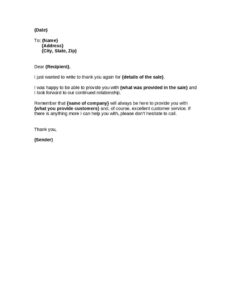
A Sales Follow Up letter is a short, professional note sent after a purchase to thank a customer, confirm what was provided, and keep the relationship strong. The most common reason people use it is to turn a one-time buyer into a repeat customer by showing genuine appreciation and reinforcing trust. You can download this template free in PDF and DOCX formats, with no signup required.
What Is a Sales Follow Up Letter?
A Sales Follow Up letter is a piece of correspondence sent by a salesperson, account manager, or business owner to a customer shortly after a completed sale. It documents gratitude for the purchase, briefly restates what the customer received, and signals that the company remains available for support and future needs. Unlike an invoice or receipt, its purpose is relational rather than transactional — it nurtures goodwill, encourages repeat business, and opens the door to referrals. The letter is usually brief, warm, and personalized to the individual transaction, naming the specific product or service involved so the message feels sincere rather than mass-produced. It can be printed and mailed, attached to an email, or hand-delivered with an order.
When Do You Need a Sales Follow Up Letter?
This letter fits any situation where you want to keep a customer engaged after they buy. Common scenarios include:
- Thanking a customer within a few days of a significant purchase, such as a vehicle, appliance, or service package.
- Following up after closing a B2B deal to reassure a new client they made the right choice.
- Reconnecting with a customer after delivering a service, like a home repair, consultation, or installation.
- Reinforcing a relationship with a repeat buyer to thank them for their continued loyalty.
- Welcoming a first-time customer and inviting them to reach out with questions.
- Setting the stage for future sales, upsells, or referrals by reminding the customer you are available.
What a Sales Follow Up Letter Should Have
A strong follow-up letter is concise but complete. It should include the date and the recipient’s full name and mailing address so it reads as a personal communication. A warm salutation greeting the recipient by name sets the tone. The body should specifically reference the sale — what was bought and what was provided — so the customer feels recognized as an individual. It should affirm the ongoing relationship, mention what the company offers and its commitment to customer service, and clearly invite the customer to make contact if they need anything. Finally, a courteous closing and the sender’s name personalize the message and give the customer a real person to respond to.
How to Fill Out a Sales Follow Up Letter
- Enter the Date you are sending the letter at the top.
- In the To line, add the customer’s Name, followed by their Address and City, State, Zip on the lines beneath it.
- Write the salutation, replacing Recipient with the customer’s name — “Dear Mr. Carter” or a first name if your relationship is informal.
- Fill in details of the sale with a specific reference, such as “your purchase of the X200 espresso machine last Tuesday.”
- Complete what was provided in the sale by describing the product, service, or package the customer received.
- Insert your name of company where the template references your business.
- Replace what you provide customers with your core offering — “quality landscaping services” or “reliable IT support.”
- Sign off and add your name in place of Sender, including a title or phone number if helpful.
Tips for Writing a Follow Up That Gets Noticed
Timing matters: send the letter within a few days of the sale while the experience is fresh. Keep the tone genuine and avoid sounding like a sales pitch — the goal is appreciation, not another offer. Personalize at least one detail beyond the customer’s name, such as a comment about how they plan to use the product or a remark from your conversation. If you are sending these at volume, mail-merge from your DOCX file but proofread each one so names and sale details are correct. A handwritten signature, even on a printed letter, adds a personal touch that distinguishes your business from automated emails.
How It Differs From a Thank You or Marketing Email
A Sales Follow Up letter overlaps with a thank-you note but does more work. A simple thank-you note expresses gratitude; this letter also confirms the transaction, reinforces the company’s ongoing role, and explicitly invites further contact. It is also distinct from a marketing email, which typically promotes new products or discounts. The follow-up letter is relationship-first: it assumes the sale is complete and focuses on satisfaction and continuity. Used well, it lays the groundwork that later marketing messages can build on, because the customer already feels valued rather than merely solicited.
Common Mistakes to Avoid
- Sending a generic letter that never names the actual product or service purchased — specificity is what makes it feel sincere.
- Waiting too long, so the gesture arrives after the customer has forgotten the purchase or moved on.
- Turning the note into a hard sell with discounts and upsells instead of genuine appreciation.
- Misspelling the customer’s name or leaving placeholder brackets in the final copy.
- Omitting a clear way to reach you, leaving the customer with no easy next step.
- Using an impersonal closing or forgetting to sign your name, which undercuts the personal tone.
Frequently Asked Questions
What is a Sales Follow Up letter used for? It is used to thank a customer after a purchase, confirm what they received, and keep the business relationship warm. The letter helps encourage repeat business, referrals, and customer loyalty by showing that you value the person beyond the single transaction.
How do I fill out the Sales Follow Up template? Add the date, the customer’s name and address, and a personalized greeting, then replace the bracketed prompts with the specific sale details, what you provided, your company name, and your offering. Close with a thank-you and your signature so the customer knows exactly who to contact.
When should I send a sales follow up letter? Ideally within a few days of the completed sale, while the purchase is still top of mind for the customer. Prompt follow-up shows attentiveness and makes your appreciation feel timely and authentic rather than an afterthought.
Does this letter need to be signed or notarized? No notarization is required — this is a courtesy business letter, not a legal document. A personal signature, however, is strongly recommended because it adds warmth and gives the message a human touch.
Can I send this as an email instead of a printed letter? Yes. The same wording works well in an email; simply move the recipient details into the address line and subject and keep the personalized body intact. Many businesses use both formats depending on the customer and the size of the sale.
Is this Sales Follow Up template free to download? Yes, you can download it completely free in both PDF and DOCX formats with no signup required. The editable DOCX version makes it easy to customize the wording, add your logo, or mail-merge for multiple customers.
This template is a general example provided for informational purposes only and does not constitute legal, financial, or professional advice. Business communication norms and any applicable marketing or privacy requirements vary by jurisdiction and industry — consult a qualified professional if you have specific concerns.
Related Forms
- Cease and Desist Defamation
- Notice Of Approval Of New Credit Account
- Quote Invitation
- Offer for a Current Client
- Billing Error Apology Letter
- Notice of a Bulk Sale
Browse more in Business Letters.