
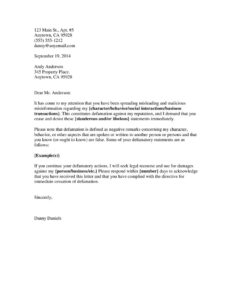
Cease and Desist Defamation
Download a free cease and desist defamation letter template to demand someone stop spreading false statements about you, plus a how-to guide and free download.
PDF
DOCX
4 downloads
0
likes
Download Files
- DOCX
A cease and desist defamation letter is a formal written demand telling someone to immediately stop making false, damaging statements about you or your business. People most often use it as a first serious step to halt slander or libel before pursuing a lawsuit. This template is free to download in PDF and DOCX formats, with no signup required.
What Is a Cease and Desist Defamation Letter?
A cease and desist defamation letter is a document sent by an individual or business (or their attorney) to a person who has been spreading harmful, untrue statements. It formally notifies the recipient that their words constitute defamation, identifies the specific statements at issue, and demands that they stop immediately. The letter also typically warns that continued conduct may result in legal action for damages. While it does not by itself force anyone to do anything, it creates a documented record that the recipient was put on notice — which can be valuable if the matter escalates. It serves as both a warning and a paper trail establishing that you objected to the defamation.
When Do You Need a Cease and Desist Defamation Letter?
This letter fits a range of situations where someone’s false statements are damaging your reputation or livelihood. Common scenarios include:
- A former business associate or competitor is spreading lies about your products, services, or honesty to customers.
- An individual is posting false accusations about you on social media, review sites, or in online forums.
- A neighbor, acquaintance, or former friend is verbally telling others untrue and damaging things about your character or behavior.
- An ex-employee or disgruntled client is making false claims about your business practices to third parties.
- Someone is circulating a written statement, email, or letter containing fabricated allegations against you.
- You want to document your objection in writing before deciding whether to involve an attorney or pursue a lawsuit.
Slander vs. Libel
Defamation generally falls into two categories. Slander refers to false statements that are spoken aloud to another person, while libel refers to false statements that are written or published — including online posts, emails, and printed material. This template lets you specify whether the statements are slanderous, libelous, or both. Understanding which form applies to your situation helps you describe the conduct accurately and choose the right examples to cite in the letter.
What a Cease and Desist Defamation Letter Should Have
To be clear and effective, your letter should include your full contact information, the recipient’s name and address, the date, and a direct statement that the recipient has been spreading false information about you. It should define defamation plainly, list specific examples of the offending statements, demand immediate cessation, warn of potential legal consequences, and set a deadline for the recipient to acknowledge and comply. A professional, factual tone is far more persuasive than an angry one.
How to Fill Out a Cease and Desist Defamation Letter
- At the top, enter your own contact details: street address and apartment number, city, state, ZIP code, phone number, and email address.
- Add the current date below your contact block.
- Enter the recipient’s full name and mailing address (for example, Andy Anderson at 345 Property Place, Anytown, CA).
- Begin with a formal salutation, such as “Dear Mr. Anderson.”
- In the opening paragraph, specify the subject of the false statements by choosing what applies — your character, behavior, social interactions, or business transactions.
- State whether the statements are slanderous, libelous, or both, and demand that the recipient cease and desist immediately.
- In the examples section, list the specific defamatory statements the person made — quote them as accurately as possible and note when and where they occurred.
- Identify what is being harmed by selecting your person, your business, or another appropriate description when warning of legal recourse.
- Insert the number of days within which the recipient must respond and confirm compliance.
- Close with “Sincerely,” and sign your full name.
Documenting and Sending the Letter
Before sending, keep copies of everything that supports your claim — screenshots of online posts, emails, witness names, or notes about what was said and when. Send the letter in a way that proves delivery, such as certified mail with a return receipt, and keep a copy of the signed letter and the mailing receipt for your records. This documentation matters because the value of a cease and desist letter often lies in establishing that the recipient was clearly notified. If the false statements continue after the deadline, that record can strengthen your position should you decide to escalate.
Cease and Desist Letter vs. Lawsuit
A cease and desist letter is not a lawsuit and carries no automatic legal penalty on its own. It is best understood as a formal warning and a negotiation tool. Many people stop their conduct once they receive a credible letter, because it signals you are serious and willing to act. If the behavior persists, the letter becomes evidence that you demanded the conduct stop. Whether to pursue formal litigation afterward is a separate decision that usually benefits from professional legal advice.
Common Mistakes to Avoid
- Being vague. Failing to cite specific false statements makes the letter easy to dismiss — quote the actual words and describe the context.
- Using threatening or abusive language. Stay factual and professional; an inflammatory letter can undermine your credibility.
- Confusing opinions with defamation. Statements of pure opinion are generally not defamatory, so focus on provably false factual claims.
- Forgetting a deadline. Omitting a response window leaves the recipient no clear obligation to act.
- Not keeping evidence. Sending the letter without preserving screenshots, copies, and proof of mailing weakens your record.
- Overstating legal threats. Avoid promising legal action you are not actually prepared to pursue.
Frequently Asked Questions
What is a cease and desist defamation letter? It is a formal written demand asking someone to immediately stop making false, damaging statements about you or your business. The letter identifies the defamatory remarks, defines defamation, and warns of possible legal action if the conduct continues. It serves as both a warning and documented proof that you objected.
How do I fill out the letter? Start with your contact information and the date, then add the recipient’s name and address. Describe what is being defamed, list specific false statements as examples, set a response deadline, and sign the letter. Following each field in the template ensures your letter is complete and clear.
Is a cease and desist defamation letter legally binding? The letter itself is not a court order and does not legally force the recipient to comply. However, it puts them on formal notice and can become important evidence if you later pursue legal action. Its effectiveness often depends on how specific and credible it is.
Do I need a lawyer to send one? You can send a cease and desist letter on your own, and this free template helps you do so. That said, a letter on an attorney’s letterhead often carries more weight, and consulting a lawyer is wise if the defamation is serious or ongoing.
Does the letter need to be notarized? No, a cease and desist defamation letter does not generally need to be notarized or witnessed. What matters most is that it clearly states your demand and that you can prove the recipient received it — sending it by certified mail is recommended.
How much does this template cost? Nothing. You can download this cease and desist defamation letter for free in PDF and DOCX formats from Business Forms Pro, with no signup or payment required, and edit it to fit your situation.
This template is provided as a general example for informational purposes only and is not legal advice. Defamation laws and procedures vary by jurisdiction, and individual circumstances differ. Consult a qualified attorney before sending a cease and desist letter or pursuing any legal action.
Related Forms
- Apology For Employee Behavior
- Employee Termination For Absenteeism
- Pandemic Attendee Event Letter
- Warranty Claim on a Product
- Employee Termination For Theft
- Very Late Reply to Customer
Browse more in Business Letters.