
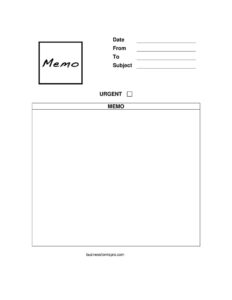
Memo Handwriting
Download a free Memo Handwriting template to write clear, professional handwritten memos and notes by hand — free PDF and DOCX download, no signup needed.
PDF
DOCX
0
likes
Download Files
- DOCX
A Memo Handwriting template is a printable layout designed for writing internal memos by hand — giving you ruled lines, a clean header, and clearly labeled sections so your handwritten note stays neat and easy to read. People most often use it when they need a quick, personal way to pass information to a coworker, team, or department without firing up a computer. It’s completely free to download here in both PDF and DOCX formats, with no signup required.
What Is a Memo Handwriting Template?
A Memo Handwriting template is a structured page used to draft and deliver short internal communications in your own handwriting. Unlike a typed memo, it provides printed guide lines and clearly marked fields so the writing stays legible and the message follows a familiar memo format. It’s typically used in offices, schools, clinics, retail back rooms, and any workplace where a fast handwritten note is more practical than email. The template documents who the memo is for, who sent it, the date, the subject, and the body of the message. Its purpose is to make handwritten communication look organized and professional, ensuring nothing important — like the date or recipient — gets left off.
When Do You Need a Memo Handwriting Template?
Handwritten memos remain useful in plenty of everyday situations, especially where speed, personal tone, or limited computer access matter. Common scenarios include:
- Quick desk notes: Leaving a message on a colleague’s desk about a phone call, deadline, or task that came up while they were out.
- Shift handovers: Passing instructions or status updates between employees in retail, hospitality, healthcare, or manufacturing where staff rotate.
- Bulletin board postings: Writing a short announcement to pin in a break room, classroom, or shared workspace.
- Meeting reminders: Jotting a memo about an upcoming meeting, agenda item, or schedule change for a small team.
- Personal or confidential notes: Communicating something better kept off email, like a private reminder or a hand-delivered note to one person.
- Practice and training: Teaching students or new staff how to structure a proper memo, or simply practicing clean, legible handwriting in a useful format.
What a Memo Handwriting Template Should Have
A complete handwriting memo keeps the standard memo structure while making the writing process easy. The essentials are a header block identifying the recipient, sender, date, and subject; a clearly defined body area with ruled lines to guide your handwriting; and enough spacing that the page doesn’t feel cramped. Ruled or dotted lines help keep letters even and the message readable. A short, descriptive subject line tells the reader at a glance what the memo is about. Good templates also leave room at the bottom for a signature, initials, or a quick note about any attachments. The goal is a layout that produces a tidy, professional-looking memo even when written quickly by hand.
How to Fill Out a Memo Handwriting Template
Because this template is designed to be completed by hand, fill it in clearly and in order:
- Write the recipient (To): At the top, print the name of the person or group the memo is for. Use full names or a team label so there’s no confusion about who should read it.
- Add the sender (From): Print your own name and, if helpful, your title or department so the reader knows who to follow up with.
- Enter the date: Write the full date the memo is created. This matters for time-sensitive notes and for keeping a record of when the message was sent.
- Fill in the subject: Summarize the topic in a few words — for example, “Schedule Change” or “Supply Order Update” — so the reader knows the purpose immediately.
- Write the body: Using the ruled lines, state your message clearly and concisely. Lead with the main point, then add any details or actions needed.
- Close and sign: If appropriate, end with a brief closing line and your initials or signature, plus a note about any attachments.
Tips for Clear, Professional Handwritten Memos
The advantage of a handwritten memo is speed and a personal touch — but only if the reader can actually understand it. Print rather than write in cursive if your cursive is hard to read, and keep letters resting on the ruled lines. Stick to one topic per memo so the message stays focused. Write the most important information first in case the reader only skims it. Use short sentences and simple words, and avoid cramming text into the margins; if you run out of room, it’s better to attach a second page than to squeeze. Pressing firmly with a dark pen makes the memo easier to read and to photocopy if needed.
Handwritten Memo vs. Typed or Emailed Memo
A handwritten memo and a typed memo serve the same communication purpose, but each fits different situations. Handwritten memos are faster for one-off notes, feel more personal, and work when no computer or printer is handy. Typed or emailed memos are better for longer messages, anything that needs to be searchable or forwarded, and communications you want a digital record of. Many workplaces use both: a quick handwritten note for an immediate, in-person message, and email for documentation. Using a consistent template — whether handwritten or typed — keeps your memos recognizable and easy for recipients to process regardless of format.
Common Mistakes to Avoid
- Skipping the date: Without a date, the reader can’t tell whether the memo is current or weeks old.
- Vague subject lines: Writing “Note” or leaving the subject blank forces the reader to guess the purpose.
- Illegible handwriting: A memo no one can read defeats the point — slow down and print clearly.
- Forgetting your name: If the recipient doesn’t know who sent the memo, they can’t follow up or verify it.
- Burying the main point: Long preambles waste the reader’s time; lead with what matters most.
- Overcrowding the page: Cramming text and writing in margins makes the memo hard to read and unprofessional.
Frequently Asked Questions
What is a Memo Handwriting template used for? It’s used to write short internal memos and notes by hand in a clean, organized format. The template provides ruled lines and labeled header fields so your handwritten message stays legible and follows the standard memo structure. It’s ideal for desk notes, shift handovers, reminders, and other quick workplace communications.
How do I fill out a handwriting memo? Start with the To, From, Date, and Subject fields at the top, then write your message on the ruled body lines. Lead with the main point, keep it concise, and sign or initial at the bottom if needed. Printing your letters and staying on the lines keeps everything readable.
Is a handwritten memo legally binding? A memo is generally an internal communication tool rather than a formal contract, so it usually isn’t a legally binding document on its own. However, a signed and dated handwritten note can still serve as evidence of what was communicated and when. If you need a legally binding agreement, use a proper contract or consult a professional.
Does a memo need to be signed? Signing is not strictly required for a memo, but adding your initials or signature confirms who sent it and shows the message is complete. For routine notes, your name in the From field may be enough. For anything important or sensitive, a signature adds accountability.
Can I edit the template before printing it? Yes. The DOCX version can be opened in most word processors so you can adjust the header labels, line spacing, or add your organization’s name before printing. If you prefer to write everything by hand, simply print the PDF and fill it in with a pen.
How much does this template cost? It’s completely free to download from Business Forms Pro in both PDF and DOCX formats, with no signup or account required. You can print as many copies as you need for personal or workplace use. There are no hidden fees or watermarks.
This Memo Handwriting template is provided as a general example for informational purposes only and does not constitute legal, financial, or professional advice. Communication and recordkeeping requirements vary by organization and jurisdiction. For specific needs, consult a qualified professional or your workplace policies.
Related Forms
- Address Book with Tabs
- Outgoing Calls
- Phone List
- Supplier Contact Info
- Contacts Conversation Log
- Memo Template
Browse more in Contact.