
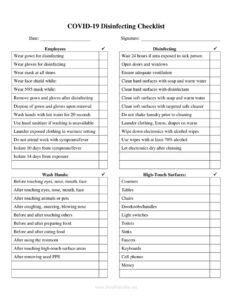
Covid Disinfecting Checklist
Download a free COVID disinfecting checklist template in PDF or DOCX to track cleaning tasks, surfaces, and sanitizing schedules with no signup required.
PDF
DOCX
4 downloads
0
likes
Download Files
- DOCX
A COVID disinfecting checklist is a simple log used to track and verify cleaning and sanitizing tasks across a workplace, facility, or shared space. The most common reason people use one is to create a documented record that high-touch surfaces are being disinfected on a regular schedule and to reassure staff, customers, or inspectors that sanitation protocols are being followed. This checklist is free to download in both PDF and DOCX formats, with no signup required.
What Is a COVID Disinfecting Checklist?
A COVID disinfecting checklist is a structured cleaning log that lists the areas, surfaces, and equipment that need to be disinfected, along with space to record who completed each task and when. It is typically created by a facilities manager, business owner, office administrator, or cleaning supervisor and used by janitorial staff or employees responsible for sanitation. The form documents that recurring disinfection work was actually performed — not just scheduled — which is important for accountability, public health compliance, and reducing the spread of viruses and other germs. It turns an informal routine into a verifiable paper trail that anyone can audit at a glance.
When Do You Need a COVID Disinfecting Checklist?
This checklist is useful any time a shared environment requires consistent, documented sanitizing. Common situations include:
- Office and workplace reopening: Tracking daily disinfection of desks, doorknobs, and break rooms as employees return on-site.
- Retail stores and restaurants: Logging sanitizing of checkout counters, payment terminals, tables, and restrooms throughout business hours.
- Schools and childcare centers: Recording cleaning of classrooms, desks, toys, and high-traffic hallways between sessions.
- Healthcare and clinic settings: Documenting frequent disinfection of waiting rooms, exam surfaces, and patient-contact equipment.
- Gyms, salons, and fitness studios: Verifying that equipment and stations are wiped down between clients or class blocks.
- Property management and shared facilities: Logging cleaning of elevators, lobbies, handrails, and common-area restrooms in apartment or commercial buildings.
What a COVID Disinfecting Checklist Should Have
A complete and useful checklist includes a few core elements that make it easy to fill out and easy to audit. At minimum, it should identify the facility or area, list each surface or zone to be cleaned, and provide space to confirm completion. Key components include:
- A header with the business or facility name and the date or week covered.
- A clear list of areas and high-touch surfaces to disinfect.
- Columns for the time of cleaning and the frequency expected.
- A checkbox or initial field to confirm each task was completed.
- Space for the name or initials of the person performing the work.
- A notes section for supply needs, missed areas, or special instructions.
How to Fill Out a COVID Disinfecting Checklist
Because this is a flexible log, you can adapt the rows and columns to match your space. Follow these steps:
- Enter the facility details. At the top, write the business or location name and the date (or the date range if you are logging a full week).
- List each area or surface. In the left column, write every zone or high-touch item to be disinfected — door handles, light switches, countertops, restrooms, shared equipment, and so on.
- Set the cleaning frequency. Note how often each item should be disinfected, such as hourly, after each use, or once per shift.
- Record the time completed. When a task is finished, enter the time it was disinfected in the appropriate column.
- Check off and initial. Mark the completion box and add the initials or name of the staff member who performed the work.
- Add notes. Use the notes field to flag low supplies, surfaces that were skipped, or anything needing follow-up.
- File and store the completed log. Keep finished checklists on file so you can demonstrate your sanitation history if asked.
Tips for an Effective Disinfecting Routine
A checklist works best when it reflects how your space is actually used. Walk through your facility and identify the surfaces people touch most often — these deserve the highest cleaning frequency. Follow the directions on your disinfecting products, especially the recommended contact or dwell time, since wiping a surface too quickly can leave germs behind. Assign clear ownership for each shift so there is never ambiguity about who is responsible. Post the checklist where staff can see it, and review completed logs periodically to spot patterns, such as a surface that is regularly missed late in the day.
Keeping Records and Demonstrating Compliance
Beyond day-to-day cleaning, a completed disinfecting checklist serves as evidence that your organization took its sanitation responsibilities seriously. Retaining these logs can support insurance documentation, respond to customer or employee concerns, and show good-faith effort if a health authority inquires. Store completed sheets in a binder or scan them into a dated digital folder. Many businesses keep at least several months of records on hand. Because public-health guidance and local rules can change over time, revisit your checklist periodically to make sure the listed surfaces, frequencies, and products still match current best practices for your industry.
Common Mistakes to Avoid
- Leaving rows unsigned: An unchecked or uninitialed row creates a gap that undermines the whole log’s credibility.
- Backfilling the sheet at end of day: Filling in times from memory defeats the purpose; record each task as it is done.
- Forgetting high-touch items: Door handles, light switches, and shared electronics are easy to overlook but among the most important.
- Ignoring product dwell time: Wiping a surface dry immediately may not give the disinfectant time to work.
- Using one generic list everywhere: A reception area, kitchen, and restroom each need their own tailored items.
- Not reviewing the logs: Collecting sheets without ever checking them means problems go unnoticed.
Frequently Asked Questions
What is a COVID disinfecting checklist used for? It is used to plan, track, and verify the regular cleaning and disinfection of surfaces in a shared space. The checklist documents which areas were sanitized, when, and by whom, creating an auditable record of your sanitation routine.
How do I fill out the checklist? Add your facility name and date at the top, list each area or surface to be cleaned, note the cleaning frequency, then record the time and initials as each task is completed. Use the notes column to flag supply needs or missed spots.
Is this checklist legally required? Requirements vary widely by location, industry, and the public-health rules in effect at the time. While many businesses use these logs voluntarily for safety and accountability, you should check your local regulations and any applicable workplace guidelines.
How often should surfaces be disinfected? Frequency depends on how heavily a surface is used. High-touch items like door handles and shared equipment may need cleaning hourly or after each use, while lower-traffic areas may only need a daily wipe — set frequencies that match your space.
Can I customize the template for my business? Yes. The DOCX version is fully editable, so you can add or remove rows, rename areas, adjust columns, and insert your logo. Tailor the list to the specific surfaces and schedule that fit your facility.
Is this template free to download? Yes, the COVID disinfecting checklist is completely free to download in both PDF and DOCX formats with no signup required. Use the PDF for quick printing or the DOCX to edit and brand it for your team.
This template is provided as a general example for informational purposes only and does not constitute legal, medical, or public-health advice. Sanitation requirements and health guidelines vary by jurisdiction and change over time — consult current guidance from a qualified professional or relevant authority for your situation.
Related Forms
- Long Distance Phone Call Log
- Customer Care Log
- Weekly Blog Planner
- Fire Emergency Checklist
- Fire Drill Log
- Hairdresser Customer Profile
Browse more in Log and Inventory.