
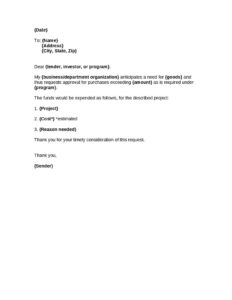
Request For Goods On Approval
Download a free Request for Goods on Approval letter template to ask a supplier to send goods on a trial basis before committing to buy, in PDF and DOCX.
DOCX
1 downloads
0
likes
Download Files
- DOCX
A Request for Goods on Approval is a business letter you send to a supplier asking them to ship merchandise on a trial basis so you can inspect, test, or display it before deciding whether to buy. People most often use it when they want to evaluate a product without the obligation of an immediate purchase. You can download this template free in both PDF and DOCX formats, with no signup required.
What Is a Request for Goods on Approval?
A Request for Goods on Approval is a formal letter from a prospective buyer to a seller, requesting that goods be delivered “on approval” — meaning the buyer receives the items first and decides afterward whether to keep and pay for them or return them. It is commonly used by retailers, offices, collectors, and businesses considering a new vendor. The letter sets out what is being requested, the trial period, and the buyer’s intention to either purchase or return the goods. It documents a goodwill arrangement in which ownership and the obligation to pay typically pass only when the buyer accepts the goods, giving both parties clarity about expectations during the trial.
When Do You Need a Request for Goods on Approval?
This letter is useful whenever you want a hands-on look at products before committing money. Common situations include:
- Trying a new supplier whose quality you have not yet verified in person.
- Evaluating equipment or samples for a specific job before placing a bulk order.
- Stocking retail shelves with new merchandise to gauge customer interest before buying outright.
- Reviewing books, artwork, or specialty items a collector or buyer wants to inspect closely.
- Testing materials for compatibility, fit, or performance with existing systems.
- Comparing competing products side by side before selecting one to purchase.
What a Request for Goods on Approval Should Have
A clear, complete letter helps the supplier respond quickly and reduces disputes. The essential elements include the date and the contact details of both the buyer and the supplier, a precise description of the goods requested (including quantities, models, sizes, or catalog numbers), and a clear statement that the goods are wanted on approval rather than as a firm purchase. It should also specify the proposed trial or approval period, how and by when unwanted goods will be returned, who pays shipping in each direction, and a courteous request for confirmation. A professional closing and signature complete the document and give the supplier a named point of contact.
How to Fill Out a Request for Goods on Approval
Because this is a letter rather than a fixed form, work through it section by section:
- Date the letter at the top so the trial timeline is clear.
- Add the supplier’s details — company name, contact person, and address.
- Insert your own details as the buyer, including your business name and return address.
- Write a clear opening line stating that you are requesting specific goods on approval.
- List the goods precisely: item names, model or catalog numbers, sizes, colors, and quantities.
- State the approval period you are requesting, such as 14 or 30 days from delivery.
- Explain the return terms — how you will return goods you decide not to keep and who covers postage.
- Note payment intent, confirming you will pay promptly for any items you keep.
- Request written confirmation of the arrangement before shipment.
- Close politely and sign with your name, title, and contact information.
Trial Terms and Return Conditions
The heart of a goods-on-approval arrangement is the trial period and what happens at its end. Be explicit: state the number of days you have to evaluate the goods and clarify that, unless you notify the supplier of your acceptance or place a formal order, the goods will be returned. Spell out the condition the goods must be in when returned — usually unused, undamaged, and in original packaging. Address shipping costs directly, since disagreements often arise here: indicate whether the supplier covers outbound delivery and whether you will pay return postage. If insurance or tracking matters for valuable items, mention it. The clearer these terms, the smoother the eventual return or purchase.
How It Differs From a Purchase Order
It is easy to confuse this letter with a purchase order, but they are not the same. A purchase order is a commitment to buy specified goods at agreed prices, creating a binding obligation once accepted. A Request for Goods on Approval, by contrast, is a request to receive goods conditionally — you are not agreeing to buy until you inspect and accept them. Treat the letter as the opening of a trial relationship, and follow it with a proper order or written acceptance for any items you decide to keep. This distinction protects you from being billed for merchandise you have not yet agreed to purchase.
Common Mistakes to Avoid
- Being vague about the goods — failing to list exact models or quantities invites the wrong shipment.
- Omitting the approval period, which leaves the trial window open to dispute.
- Ignoring shipping responsibility for both delivery and returns.
- Assuming silence equals agreement — always confirm terms in writing before goods ship.
- Forgetting to keep a copy of the letter and any reply for your records.
- Returning goods late or in poor condition, which can convert a trial into an obligation to pay.
Frequently Asked Questions
What does “on approval” mean? Goods sent on approval are delivered to you on a trial basis so you can examine or test them before deciding to buy. You generally have a set period to either keep and pay for the items or return them. Ownership and the duty to pay usually pass only when you accept the goods.
How do I fill out a Request for Goods on Approval? Add the date, the supplier’s and your own contact details, then describe the goods precisely and state the approval period and return terms. Close by requesting written confirmation and signing with your name and title. Our free template provides a ready structure you can adapt.
Is this letter legally binding? The letter itself is a request, not a binding purchase contract; you become obligated to pay only for goods you accept. The exact legal effect of a goods-on-approval arrangement varies by jurisdiction and by the terms both parties agree to. For significant transactions, confirm the arrangement in writing and review applicable rules.
Who pays for shipping and returns? That depends on what you and the supplier agree, which is exactly why the letter should state it. Some suppliers cover outbound delivery and ask the buyer to pay return postage, while others handle both. Spell this out clearly to avoid disputes later.
How long should the approval period be? Common trial periods range from about 7 to 30 days, but the right length depends on what you need to evaluate. State a specific number of days in the letter so both sides know when a decision is due. If you need more time, request an extension in writing before the period ends.
Is this template really free? Yes. You can download the Request for Goods on Approval template free in PDF and DOCX formats, with no signup or payment required, and edit it to match your goods, supplier, and terms.
This template is a general example provided for informational purposes only and is not legal, financial, or tax advice. Requirements and the legal effect of goods-on-approval arrangements vary by jurisdiction and by the specific terms agreed between the parties. Consult a qualified professional before relying on this letter for an important transaction.
Related Forms
- Follow Up
- Request for Partial Shipment
- Authorization to Return Items
- Out Of Stock Notice
- Copyrighted Material Request
- Payment Location Change
Browse more in Business Letters.