
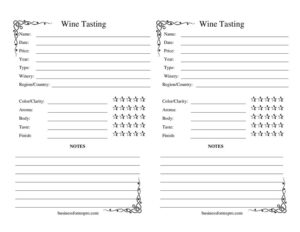
Wine Tasting Log
Record and compare every bottle with this free Wine Tasting Log template—track aroma, body, taste, and notes. Download free in PDF and DOCX today.
PDF
DOCX
0
likes
Download Files
- DOCX
A Wine Tasting Log is a simple worksheet for recording your impressions of each wine you sample—from its appearance and aroma to its body, taste, and finish. People use it most often to remember which bottles they loved (and which they didn’t) so they can buy smartly and build a personal reference over time. It’s free to download here in both PDF and DOCX formats, with no signup required.
What Is a Wine Tasting Log?
A Wine Tasting Log is a structured note-taking sheet that captures the key details and sensory observations of a wine in one place. It’s used by everyday enthusiasts, wine club members, sommelier students, restaurant staff, and tasting-room visitors who want a consistent way to evaluate and remember bottles. Rather than relying on memory or scattered phone notes, the log records identifying information—name, winery, vintage year, region, and price—alongside structured tasting fields for color, aroma, body, taste, and finish. The result is a repeatable format that makes wines easy to compare side by side, track over months or years, and revisit before your next purchase or restaurant order.
When Do You Need a Wine Tasting Log?
This log earns its place anytime you want to do more than simply drink a wine. Common situations include:
- Wine club or subscription deliveries—logging each monthly shipment so you can rate and re-order favorites.
- Winery and tasting-room visits—jotting impressions of several pours before they blur together.
- Dinner parties and pairings—noting which wine matched which dish so you can repeat a winning combination.
- Building a cellar or collection—tracking vintage years and how a wine evolves as it ages.
- WSET or sommelier study—practicing a disciplined, structured tasting vocabulary.
- Comparison shopping—recording price against quality so you find the best value for everyday drinking.
What a Wine Tasting Log Should Have
A useful tasting log balances factual identification with sensory description. The identification side answers what is this wine: name, winery, vintage year, type, region or country, and price. The tasting side answers what is it like: color and clarity, aroma, body, taste, and finish. A free-form notes field ties it together—capturing food pairings, the occasion, whether you’d buy it again, and an overall score. The strongest logs use consistent language for each field so that a wine you tasted last spring can be meaningfully compared to one you try tonight.
How to Fill Out a Wine Tasting Log
- Name: Write the full wine name as it appears on the label, including the grape variety or blend if listed.
- Date: Record the date you tasted it—useful when revisiting how your palate or the wine has changed.
- Price: Note what you paid (or the menu price) to judge value later.
- Year: Enter the vintage year printed on the bottle.
- Type: Specify red, white, rosé, sparkling, dessert, or fortified.
- Winery: Add the producer or estate name.
- Region/Country: Record the origin, such as Napa Valley, Bordeaux, or Marlborough.
- Color/Clarity: Describe the hue and brightness—pale straw, ruby, garnet, clear, or hazy.
- Aroma: List the scents you detect, like citrus, cherry, oak, vanilla, or earth.
- Body: Rate the weight on your palate as light, medium, or full.
- Taste: Note flavors and structure—fruit, acidity, tannin, and sweetness.
- Finish: Describe how long and pleasant the aftertaste is—short, medium, or lingering.
- Notes: Add overall impressions, food pairings, a score, and whether you’d buy it again.
How to Taste Wine for Better Notes
Following a consistent routine makes each log entry more reliable. Start by examining the wine against a white background to judge color and clarity—tilt the glass and note the hue at the rim. Next, swirl gently and smell in short sniffs to identify the aroma; primary notes come from the grape, secondary from winemaking, and tertiary from aging. Then take a small sip and let it coat your mouth to assess body and taste, paying attention to acidity, tannin, sweetness, and fruit. Finally, note the finish—how long the flavors persist after you swallow. Recording your observations in the same order every time trains your palate and keeps your entries comparable.
Getting the Most From Your Log Over Time
A single entry is helpful, but the real value comes from building a running record. Keep your logs together—print several PDF copies for tasting events, or use the DOCX version to type entries and sort them in a document. Over time you’ll notice patterns: a preference for a certain region, a sweet spot in your price range, or which vintages from a favorite winery age best. Before your next purchase or restaurant visit, a quick scan of past notes turns guesswork into confident choices. Many collectors also revisit the same wine across multiple years, logging how it develops with bottle age.
Common Mistakes to Avoid
- Waiting too long to write notes—impressions fade fast, so record while the wine is in front of you.
- Skipping the vintage year—the same wine can vary dramatically from one year to the next.
- Using vague descriptions—”good” tells you little; “bright cherry with soft tannins” helps you remember.
- Forgetting the price—without it you can’t judge value or decide whether to re-order.
- Inconsistent wording—use the same vocabulary for body and finish so entries stay comparable.
- Omitting food pairings—the notes field is where a winning match gets preserved for next time.
Frequently Asked Questions
What is a Wine Tasting Log used for? It’s used to record structured impressions of each wine you taste, including its identity, price, and sensory qualities. The goal is to remember which wines you enjoyed, compare bottles fairly, and make smarter buying decisions over time.
How do I fill out a Wine Tasting Log? Start with the factual details—name, date, price, year, type, winery, and region—then move through the sensory fields for color/clarity, aroma, body, taste, and finish. Finish with the notes section for overall impressions, scores, and pairings. Filling it out in the same order each time keeps your entries consistent.
Do I need any special wine knowledge to use it? No. The log works for complete beginners and seasoned tasters alike. Beginners can use simple words like “light,” “fruity,” or “smooth,” while the structured fields naturally help you build a richer vocabulary as you go.
What’s the difference between body, taste, and finish? Body refers to the weight and texture of the wine in your mouth—light, medium, or full. Taste covers the flavors and structure such as acidity, tannin, and sweetness, while finish describes the aftertaste that lingers once you’ve swallowed.
Is this Wine Tasting Log template free? Yes. You can download it free in both PDF and DOCX formats with no signup required. Print as many copies as you like for tasting events, or edit the DOCX version to customize the fields.
Can I use it at a winery or restaurant? Absolutely. The PDF prints to a compact size that’s easy to carry to tasting rooms, dinners, or wine club meetings, letting you capture notes on multiple pours before the details fade.
This Wine Tasting Log template is provided as a general example for informational purposes only and is not professional advice. Tasting preferences and terminology vary, and any purchasing or serving decisions are your own—enjoy responsibly and in accordance with applicable local laws.
Related Forms
- Elder Care Daily Log
- Geocache Log
- Bill Payment Reminder
- Maintenance Log Form
- Cleaning Checklist
- Donations Log
Browse more in Log and Inventory.